The Story of "The Phoenix Farm"
The Crisis In the highlands of Dalat, Mr. Bao ran a third-generation pig farm that was the pride of his village. For twenty years, he supplied the local markets with high-quality pork. But in late 2024, disaster struck. A wave of African Swine Fever (ASF) swept through the district. Despite Bao’s best efforts, the infection breached his defenses.
Within three weeks, Bao lost 80% of his herd. The financial blow was catastrophic, but the emotional toll was worse. He was staring at bankruptcy, unable to afford the feed for the few surviving animals, let alone restock his farm. He considered selling his land to a real estate developer—a move that would end his family’s farming legacy forever.
The Intervention When the manufacturer’s local technical representative, Huy, visited the farm for a routine check, he found the pens silent and Bao sitting in the dark office, defeated. Huy didn't try to sell feed; he activated the "Resilient Roots" Emergency Protocol.
Immediate Stabilization (The Safety Net): Huy processed an application for the manufacturer's Emergency Recovery Fund. Within 48 hours, Bao received a zero-interest micro-loan. This wasn't for buying new pigs yet—it was to cover his immediate debts and buy food for his family, stopping the panic selling of his land.
The "Clean Slate" Operation (Infrastructure Support): The manufacturer sent a Bio-Security Task Force—a team of veterinarians and engineers funded by the $1 million budget. They didn't just disinfect the barn; they redesigned it. They installed a new tiered-entry system and automated feed silos that removed the need for outside trucks to enter the "clean zone," closing the loophole that let the virus in.
Knowledge as Armor (Education): While the farm was empty, Bao was invited to a 3-day intensive workshop at the manufacturer's HQ. He learned about "Precision Nutrition"—how to use specific feed blends that boost immunity in piglets. He realized his old methods, while traditional, left his animals vulnerable.
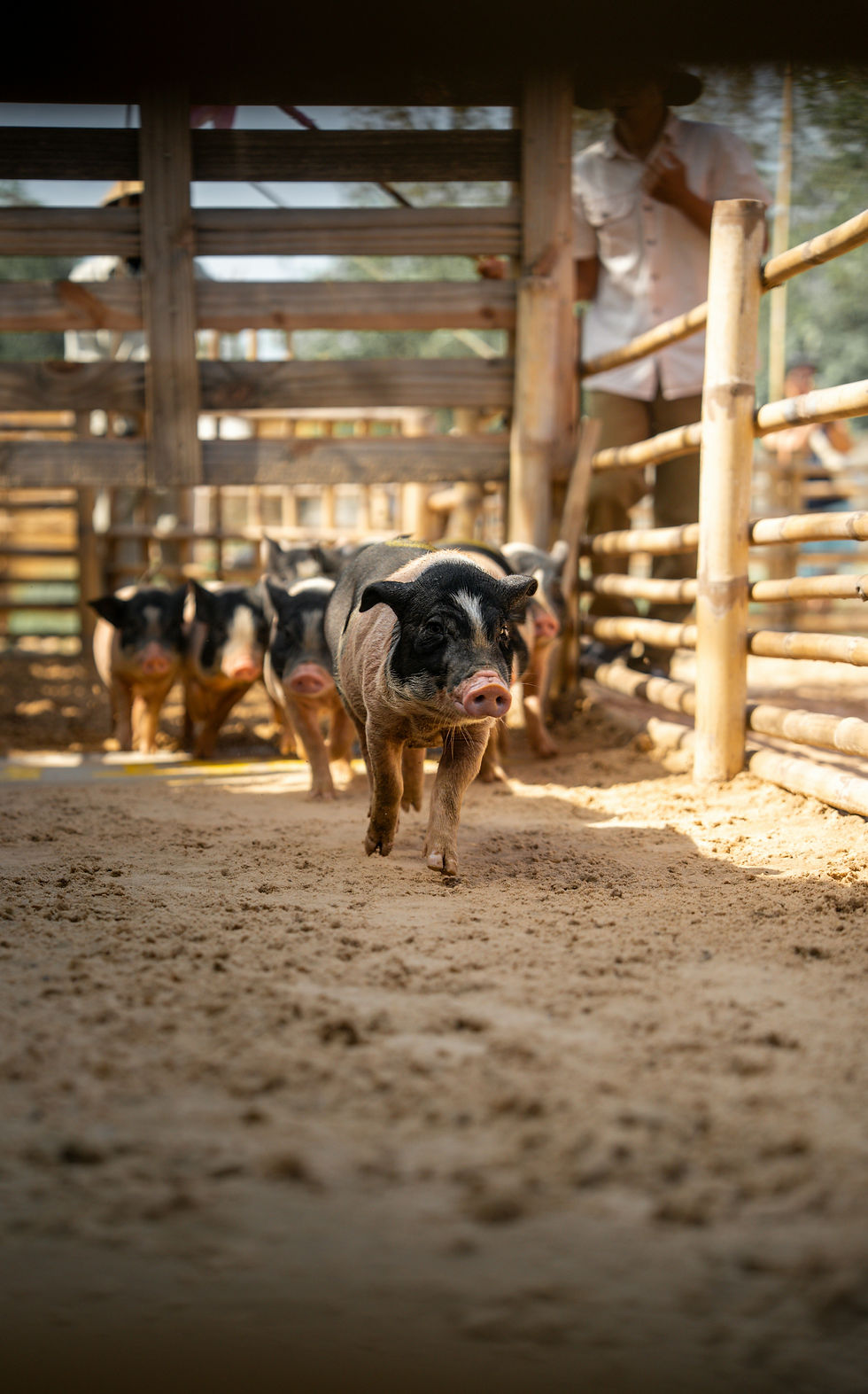
The Recovery Six months later, Bao was ready to restock. But this time, he didn't do it alone. The manufacturer provided the first batch of piglets from their certified disease-free genetic stock on a "pay-later" scheme.
The new herd grew faster and healthier than any Bao had raised before. The automated silos (subsidized by the program) cut his labor time in half, allowing him to focus on animal health rather than hauling heavy sacks.
The Outcome Today, Mr. Bao’s farm is known locally as "The Phoenix Farm" because it rose from the ashes.
For Bao: He is profitable again, and his son, seeing the new technology, has decided to return home from the city to help manage the "tech-driven" farm.
For the Manufacturer: Bao is now a "Lighthouse Customer." He hosts tours for other farmers to show them the manufacturer's bio-security protocols. He doesn't just buy feed; he is living proof that the manufacturer stands by its partners when the sky falls.
Comments